Follow Me On Social Media!
Fluffy Japanese Soufflé Pancakes

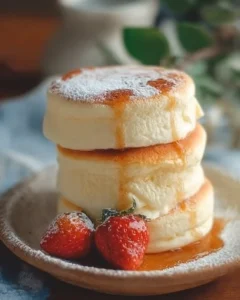
Picture a stack of thick, cloud-like pancakes that jiggle when you touch them and melt in your mouth with every bite. That is what Fluffy Japanese Soufflé Pancakes taste like. They look tall and fancy, but they use simple ingredients and basic tools. You do not need a bakery kitchen to make them. You only need a few bowls, a whisk or hand mixer, and a nonstick pan with a lid.
These pancakes feel light, soft, and airy because they use a meringue base. You fold whipped egg whites into a simple batter, cook them low and slow, and let the steam in the covered pan puff them up. The result is a tender, custard-like center and a golden, delicate outside. Serve them right away with sweetened whipped cream, fresh berries, a dusting of powdered sugar, and a drizzle of maple syrup. The flavors balance well: sweet, creamy, fruity, and warm.
This recipe is a great treat for a slow morning, a cozy brunch, or a dessert night. It looks special but stays friendly and simple. If you follow the steps and a few tips, you will make tall, fluffy pancakes every time. They impress guests, make kids happy, and turn a normal morning into something memorable.
Why You Should Make This Fluffy Japanese Soufflé Pancakes
-
They taste amazing. These pancakes are soft, airy, and fluffy, like a sweet cloud. The texture feels light but rich at the same time. You get a slight vanilla scent, a hint of lemon if you use zest, and a gentle sweetness that pairs well with fruit and cream.
-
They look impressive. Soufflé pancakes rise tall and have a little jiggle. When you set a stack on the table with berries and powdered sugar, everyone smiles. They look café-style but come from your own stove.
-
They use simple, easy-to-find ingredients. You only need eggs, milk, flour, sugar, a bit of baking powder, and a splash of vinegar or lemon juice to stabilize the egg whites. The toppings are straightforward: whipped cream, berries, powdered sugar, and syrup.
-
They teach you a useful skill. You learn how to make and fold meringue properly. This skill helps with many recipes, from cakes to mousses. You get better at whisking, folding, and heat control, which builds kitchen confidence.
-
They work for small or special meals. This recipe makes a small batch, which is nice if you cook for one or two people. You can also double the recipe for more servings, cooking in batches so the batter stays airy.
-
They are budget-friendly. Eggs, flour, sugar, and milk are affordable. You do not need fancy equipment. A hand mixer helps, but you can whisk by hand with patience.
-
They offer flexible toppings. Serve them with fresh berries, syrup, chocolate sauce, lemon curd, or a dusting of matcha. You can change the topping to match the season, your taste, or what you have.
-
They are perfect for brunch or dessert. Serve them in the morning with coffee or tea, or turn them into dessert with ice cream and warm caramel. They fit many moments.
-
They encourage slow, mindful cooking. You cook these pancakes on low heat and take your time. This steady pace helps you relax and enjoy the process. The reward is extra fluffy pancakes.
How to Make Fluffy Japanese Soufflé Pancakes
You will make two mixtures, then combine them gently. First, you whisk the egg yolks with milk, vanilla, and zest. You add flour and baking powder to make a smooth base. Second, you whip egg whites with a bit of acid and sugar until they form glossy, firm peaks. Then you fold the meringue into the yolk batter in thirds. Folding keeps the air in the batter, which makes the pancakes rise.
You will cook the pancakes in a nonstick skillet or griddle over low heat with a lid on. The lid traps steam and helps the pancakes puff up. You will start with about 1/3 cup of batter for each pancake, then add a spoonful more after a couple of minutes to build height. Cook them until the bottom is golden and the top feels set enough to flip. Flip carefully and finish cooking.
Tools that help:
- Two mixing bowls (metal or glass for egg whites)
- A whisk or, better, a hand mixer
- A rubber spatula for folding
- A fine-mesh sieve for the flour
- Measuring cups and spoons
- A nonstick skillet with a tight lid
- A small brush or paper towel to oil the pan
- A thin, wide spatula for flipping
- Optional: ring molds or parchment strips if you want perfect round sides
Ready? You have everything you need to make café-style Fluffy Japanese Soufflé Pancakes at home.
Ingredients for Fluffy Japanese Soufflé Pancakes
2 large eggs, 2 tablespoons milk, ½ teaspoon vanilla extract, 1 teaspoon lemon zest (optional), ¼ cup all-purpose flour, ¼ teaspoon baking powder, ½ teaspoon white vinegar (or lemon juice), 2 tablespoons granulated sugar, Oil (any neutral oil for cooking), Sweetened whipped cream, Assorted berries, Powdered sugar, Maple syrup, ½ cup heavy cream (cold), 1 tablespoon granulated sugar (more or less to your preference)
Directions for Making Fluffy Japanese Soufflé Pancakes
- Separate the eggs into two bowls. Whisk egg yolks with milk, vanilla, and lemon zest until smooth. Sift flour and baking powder over yolk mixture. Mix until no dry spots remain. 2. In another bowl, add vinegar to egg whites and beat until foamy. Gradually sprinkle in sugar while beating until glossy and firm peaks form. 3. Gently fold meringue into yolk mixture in thirds until just combined. 4. Heat a nonstick skillet on low and lightly oil the surface. Scoop about 1/3 cup of batter per pancake, cover with a lid, and cook. After 2 minutes, add more batter on top for height. Cook until golden on the bottom and firm on top. Flip gently and cook until set. 5. Serve immediately with whipped cream, berries, powdered sugar, and maple syrup.
How to Serve Fluffy Japanese Soufflé Pancakes
Serve these pancakes as soon as they finish cooking. They are the fluffiest right away. They slowly deflate as they sit, so keep the pace steady: cook, plate, and enjoy.
Presentation tips:
- Warm your plates. A warm plate keeps the pancakes tender and prevents quick cooling. Place plates in a low oven for a few minutes or run them under hot water and dry them well.
- Stack two or three pancakes for height. Arrange them slightly off-center for a café look.
- Add a big spoon of sweetened whipped cream on the side or on top. A neat dollop or a quenelle looks nice.
- Scatter assorted berries around the plate. Strawberries, blueberries, raspberries, or blackberries bring color and freshness.
- Dust powdered sugar through a fine sieve. It makes a clean, even snowfall on top.
- Drizzle maple syrup lightly so you do not weigh down the pancakes. Let it run over the edges for a glossy look.
- Add small touches: a twist of lemon zest, a sprig of mint, or a few edible flowers if you have them.
Flavor pairings:
- Fresh and bright: berries, lemon zest, and a light drizzle of honey or maple syrup.
- Classic and cozy: maple syrup and a pat of soft butter, plus a few toasted nuts for crunch.
- Chocolate dream: warm chocolate sauce, sliced bananas, and a sprinkle of cocoa.
- Japanese-inspired: a spoon of sweet red bean paste (anko) and a dusting of matcha powder.
- Citrus lovers: lemon curd and blueberries. The tart curd cuts the sweetness and lifts the flavor.
- Tropical touch: mango, pineapple, and a little coconut cream.
Drinks to serve:
- Coffee (hot or iced), cappuccino, or latte
- Green tea, matcha latte, or hojicha
- Hot chocolate for a sweet pairing
- Cold milk for kids or anyone who wants a simple match
Side dishes:
- A fruit salad or citrus segments for freshness
- Scrambled eggs or a savory omelet if you want a sweet-and-savory brunch
- Crispy bacon or breakfast sausage for contrast
- Yogurt with granola, especially if you serve the pancakes as dessert and want a lighter side
For dessert service:
- Add a small scoop of vanilla ice cream and warm caramel or chocolate sauce
- Include toasted almonds or hazelnuts for crunch
- Plate on a larger dish with a berry coulis swirled around the edge for a restaurant feel
How to Store Fluffy Japanese Soufflé Pancakes
These pancakes taste best fresh. They are delicate and will lose height over time. Still, you can store leftovers if you need to.
Short hold for serving:
- If you cook in batches, keep finished pancakes on a wire rack set over a baking sheet in a 200°F (95°C) oven for up to 10–15 minutes. Do not cover them tightly; steam can make them soggy. A short hold helps you serve everyone warm at once.
Refrigeration:
- Cool the pancakes to room temperature.
- Place parchment paper between pancakes so they do not stick.
- Store them in an airtight container in the fridge for up to 1–2 days.
- Expect them to deflate. The texture will be less airy but still soft.
Freezing (not ideal, but possible):
- Place cooled pancakes in a single layer on a baking sheet lined with parchment.
- Freeze until solid, then wrap each pancake tightly in plastic and place in a freezer bag.
- Freeze for up to 1 month. Label with the date.
- Thaw in the fridge overnight before reheating, or reheat from frozen.
Reheating:
- Skillet with lid (best): Warm a nonstick skillet over low heat. Lightly oil. Place pancakes in the pan, add a few drops of water around (not on) them, and cover to create gentle steam. Heat for 2–4 minutes, flipping once, until warm and soft.
- Microwave (quick): Place one pancake on a microwave-safe plate and cover loosely with a microwave cover or a damp paper towel. Heat for 10–20 seconds. Do not overheat; they can turn chewy.
- Toaster oven or oven: Heat at 300°F (150°C) for 5–8 minutes. Cover loosely with foil to avoid drying out.
Leftover batter:
- Do not store the batter. The meringue loses air and turns runny. Cook all the batter right away. If you have too many pancakes, store the cooked ones instead of the raw batter.
Tips for Making the Best Fluffy Japanese Soufflé Pancakes
- Separate eggs carefully. Make sure no yolk gets into the whites. Fat stops the whites from whipping properly.
- Use a clean, dry bowl for egg whites. Metal or glass works best. Plastic can hold traces of oil.
- Add acid to stabilize whites. The recipe uses white vinegar or lemon juice. You can also use a pinch of cream of tartar if you have it.
- Whip to firm, glossy peaks. The meringue should stand up straight when you lift the beaters and look smooth and shiny. If it looks dry or clumpy, you went too far. If it droops a lot, it is too soft.
- Add sugar gradually. Sprinkle it in as you mix so it dissolves evenly and the meringue stays stable.
- Keep yolk batter smooth. Sift the flour and baking powder over the yolk mix and whisk only until no dry spots remain. Do not overmix. Overmixing develops gluten and makes the pancakes tough.
- Fold, do not stir. Use a rubber spatula to fold the meringue into the yolk batter in three parts. Cut down through the center, sweep across the bottom, and lift up and over. Turn the bowl as you fold. Stop when the mix looks mostly blended and thick. A few small streaks are fine.
- Keep the batter thick. If it turns thin and runny, the pancakes will spread and stay flat. Thin batter means the meringue was underwhipped or overfolded.
- Preheat the pan on low. Give the pan a couple of minutes to warm up. Use very low heat. High heat browns the bottom too fast and leaves the inside raw.
- Lightly oil the pan. Use a brush or a paper towel to spread a thin film of neutral oil. Too much oil can create uneven browning and make the edges fry.
- Cover the pan. The lid traps steam, which helps the pancakes rise. Wipe the inside of the lid if condensation builds up so water droplets do not drip and cause spots.
- Portion evenly. Use a 1/3-cup measure for each pancake. This helps them cook at the same rate.
- Add a second dollop. After about 2 minutes, spoon a little more batter on top of each pancake to build height. Add it gently so you do not deflate the base.
- Do not crowd the pan. Leave space between pancakes so heat circulates. Two or three per batch is usually good, depending on your pan size.
- Flip with care. Use a thin, wide spatula. Slide it fully under the pancake, then turn in one smooth motion. You can also use a second spatula or a spoon to guide the flip.
- Cook until set. The top should look dry and the sides should feel stable before you flip. After flipping, cook until the center feels springy when you touch it lightly.
- Be patient. These pancakes need low heat and time. Rushing leads to burnt bottoms and raw centers.
- Keep batches consistent. If your kitchen is warm, meringue can soften as it sits. Cook right after mixing. If you doubled the recipe, keep the second bowl of batter cool and fold in freshness as needed, but try to work quickly.
- Aim for superfine sugar. Regular granulated sugar works, but superfine sugar dissolves better in meringue. If you only have granulated, it is fine. Just add it slowly.
- Use ring molds if you want perfect shapes. Lightly oil the inside and set them on the pan before filling. They help the pancakes rise straight up.
- Avoid strong drafts. Big temperature shifts can cause quick deflation. Keep the lid on during cooking and avoid moving the pan too much.
- Know your stove. Electric and gas stoves vary. If your pancakes brown too fast, turn the heat even lower or briefly lift the pan off the heat to cool it.
- Practice makes perfect. Your first batch teaches you about your tools and heat. Each batch will get better.
Variations for Fluffy Japanese Soufflé Pancakes
These pancakes are lovely as written, but you can change flavors and toppings to suit your taste.
Flavor twists:
- Matcha: Sift 1 teaspoon matcha powder with the flour. Serve with sweetened whipped cream and red bean paste or strawberries.
- Chocolate: Replace 1 tablespoon of flour with 1 tablespoon unsweetened cocoa powder. Add an extra teaspoon of sugar to balance. Serve with chocolate sauce and bananas.
- Lemon: Use the optional lemon zest and add a bit more to taste. Serve with lemon curd and blueberries for a bright, tangy finish.
- Strawberry: Add 1–2 tablespoons of freeze-dried strawberry powder to the flour for a gentle pink color and fruit flavor.
- Cinnamon sugar: Sprinkle a cinnamon-sugar mix over the pancakes right after cooking for a churro-like twist.
- Vanilla bean: Replace vanilla extract with the seeds of half a vanilla bean for a deeper, fragrant flavor.
Topping ideas:
- Mango, pineapple, and a drizzle of condensed milk
- Caramelized bananas and toasted pecans
- Berry compote or cherry sauce in winter months
- Nutella and crushed hazelnuts
- Salted caramel and a pinch of flaky sea salt
Dietary adjustments:
- Gluten-free: Use a 1:1 gluten-free all-purpose flour blend. Sift well to avoid lumps. Pancakes may be slightly more tender; handle gently.
- Dairy-free: Use any plant milk (almond, soy, oat) in the batter. For topping, whip cold coconut cream with sugar, or use a dairy-free whipped topping.
- Reduced sugar: Cut the sugar in the meringue slightly (for example, from 2 tablespoons to 1½). Do not remove it completely; sugar stabilizes the meringue. Keep toppings less sweet.
- Citrus-free: Skip the lemon zest and use vanilla only. Keep the vinegar in the whites or use cream of tartar for stability.
Shape and method:
- Ring molds: For tall, even sides, cook the batter in lightly oiled ring molds.
- Mini pancakes: Make smaller rounds for bite-size treats. They cook a bit faster and are easy to flip.
- Baked variation (optional): Place batter in oiled ring molds on a parchment-lined baking sheet and bake at a low temperature (around 300–320°F/150–160°C) until just set. This method changes the texture but still gives a soufflé feel.
Note: If you change dry ingredients (like adding cocoa or matcha), keep the total dry amount similar so the batter stays thick. If it feels too thick, add a teaspoon of milk. If it feels too thin, fold in a teaspoon more flour.
Frequently Asked Questions About Fluffy Japanese Soufflé Pancakes
-
Can I make the batter ahead of time?
No. Do not make the batter ahead. The meringue loses air as it sits, and the pancakes will not rise. Make the batter right before cooking and cook at once. If you need to serve many people, cook in batches and keep the first pancakes warm in a low oven for a short time. -
Why did my pancakes deflate?
Common reasons include:
- Overmixing when folding, which knocks out air.
- Underwhipped or overwhipped egg whites. Whites should be glossy, firm peaks, not soft or dry.
- Heat too high, which puffs them fast and then collapses them.
- Flipping too early, before the structure sets.
- Letting the cooked pancakes sit too long before serving. These pancakes are best enjoyed right away.
-
How do I know my meringue reached firm peaks?
Lift the beaters and turn them upright. The tip of the meringue should stand straight with just a slight bend at the very end. The mix should look smooth and shiny, not grainy. If it clumps around the whisk and looks dry, you went too far. If it slides and the tip falls quickly, it is too soft. -
Can I substitute vinegar with something else?
Yes. Use lemon juice in the same amount. Or use about 1/4 teaspoon cream of tartar for the egg whites. These acids help stabilize the meringue and create better lift. -
Can I use a stand mixer or do I need a hand mixer?
You can use either. A hand mixer gives you more control, but a stand mixer set to medium speed works well too. Stop and check often so you do not overwhip. Whisking by hand is possible but takes longer and more effort. -
My pancakes browned too fast but stayed raw inside. What went wrong?
The heat was too high. Lower the heat and cook longer with the lid on. Give the pan time to warm gently. Patience is key. You can also cook fewer pancakes at a time so heat stays even. -
How many pancakes does this recipe make?
Using about 1/3 cup batter per pancake plus the extra spoonful on top, you will get about 3 pancakes, depending on your pan and how tall you build them. If you want more servings, double the recipe and cook in batches. -
Can I make them gluten-free or dairy-free?
Yes. For gluten-free, use a 1:1 gluten-free baking blend. For dairy-free, switch milk to a plant milk and use coconut cream or a dairy-free topping instead of whipped cream. Note that textures can change a bit; handle them gently. -
Do I have to use ring molds?
No. The recipe works without molds. The second dollop of batter helps create height. Molds make the sides neater and can help with lift, but they are not required. -
The batter spread and the pancakes turned flat. Why?
Likely the batter was too thin. Causes include:
- Egg whites were underwhipped.
- You folded too much and lost air.
- The pan was not warm enough, so the base did not set quickly. Fix by whipping to proper peaks, folding gently, and preheating the pan on low.
-
Can I replace granulated sugar with another sweetener?
For the meringue, stick to granulated sugar or superfine sugar because they stabilize the egg whites. Liquid sweeteners like honey or maple syrup can weaken the meringue. You can reduce the sugar slightly if you prefer less sweetness. -
What if I do not have a lid for my skillet?
Cover the pan with a sheet of foil shaped like a dome to trap steam. Press the edges down around the pan to hold the heat. A lid works best, but foil can help in a pinch. -
How do I keep condensation from dripping on the pancakes?
Lift the lid once during cooking and wipe off the moisture with a towel. Tilt the lid so steam escapes at the back, or place a clean cloth between the pan and the lid edge to catch droplets (keep the cloth away from flame). -
Can I double or triple the recipe?
Yes, but work fast. Whip the whites and fold only the amount of batter you can cook right away. Do not let batter sit for long. Cook in batches and hold the finished pancakes warm for a short time. -
Can I bake them instead of using a skillet?
You can bake them in lightly oiled ring molds on a parchment-lined baking sheet at about 300–320°F (150–160°C) until set and lightly golden. The texture will be a bit different. The stovetop method in this recipe gives you the classic café-style look and feel. -
What topping should I choose if I like less sweetness?
Use unsweetened or lightly sweetened whipped cream, fresh berries, and a very light dusting of powdered sugar. Skip syrup or use a small drizzle. Lemon zest adds flavor without extra sugar. -
How do I know when to flip?
The bottom should be golden, the top should look set and not wet, and the sides should feel stable when you nudge them gently with the spatula. If the pancake sticks or feels too soft, give it another minute on low heat before flipping. -
Can I add fruit to the batter?
You can press a few small berries (for example, blueberries) onto the batter in the pan after you portion it. Keep amounts small so the pancakes stay tall. Too much fruit weighs them down. Large slices can cause uneven cooking.
Enjoy your Fluffy Japanese Soufflé Pancakes warm, with cream and berries, and savor that soft, airy bite. With these simple steps and tips, you will make tall, delicious pancakes that look and taste like a special café treat—right in your own kitchen.
Print
Fluffy Japanese Soufflé Pancakes
- Total Time: 45
- Yield: 3 servings 1x
- Diet: Vegetarian
Description
Light, airy pancakes that melt in your mouth, perfect for brunch or dessert.
Ingredients
Scale
- 2 large eggs
- 2 tablespoons milk
- ½ teaspoon vanilla extract
- 1 teaspoon lemon zest (optional)
- ¼ cup all-purpose flour
- ¼ teaspoon baking powder
- ½ teaspoon white vinegar (or lemon juice)
- 2 tablespoons granulated sugar
- Oil (any neutral oil for cooking)
- Sweetened whipped cream
- Assorted berries
- Powdered sugar
- Maple syrup
- ½ cup heavy cream (cold)
- 1 tablespoon granulated sugar (more or less to your preference)
Instructions
- Separate the eggs into two bowls. Whisk egg yolks with milk, vanilla, and lemon zest until smooth. Sift flour and baking powder over yolk mixture. Mix until no dry spots remain.
- In another bowl, add vinegar to egg whites and beat until foamy. Gradually sprinkle in sugar while beating until glossy and firm peaks form.
- Gently fold meringue into yolk mixture in thirds until just combined.
- Heat a nonstick skillet on low and lightly oil the surface. Scoop about 1/3 cup of batter per pancake, cover with a lid, and cook. After 2 minutes, add more batter on top for height. Cook until golden on the bottom and firm on top. Flip gently and cook until set.
- Serve immediately with whipped cream, berries, powdered sugar, and maple syrup.
Notes
These pancakes are best served immediately after cooking for optimal fluffiness.
- Prep Time: 15
- Cook Time: 30
- Category: Breakfast
- Method: Stovetop
- Cuisine: Japanese
Nutrition
- Serving Size: 1 serving
- Calories: 350
- Sugar: 15g
- Sodium: 200mg
- Fat: 12g
- Saturated Fat: 6g
- Unsaturated Fat: 4g
- Trans Fat: 0g
- Carbohydrates: 45g
- Fiber: 1g
- Protein: 8g
- Cholesterol: 210mg
Keywords: pancakes, soufflé pancakes, Japanese cuisine, breakfast, brunch, dessert