Follow Me On Social Media!
Korean-Style Ground Beef Ramen

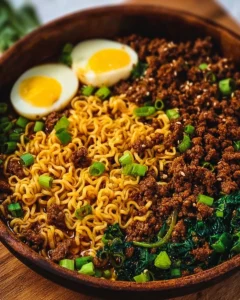
When you want a warm, bold, and satisfying meal fast, Korean-Style Ground Beef Ramen delivers. It brings chewy noodles, savory beef, and a sweet-spicy gochujang sauce together in one pan. The garlic and ginger shine. The sauce clings to every strand. The green onions and sesame seeds add a fresh and nutty finish. It tastes like comfort but feels exciting and new.
This dish is easy. It comes together in about 20 minutes once you start cooking. You do not need special skills or tools. You only need a pot for the noodles and a large skillet for the beef. The ingredients are simple and affordable. The method is clear and forgiving. You can adjust the spice level. You can add vegetables if you want. You can make it mild for kids or fiery for spice lovers.
Korean-Style Ground Beef Ramen works on busy weeknights and lazy weekends. It is great for students and new cooks. It is also a smart way to stretch a pound of ground beef into a filling meal. The broth and gochujang give deep umami. The soy sauce and sugar balance the heat. Every bite tastes rich, full, and slurpable. If you crave a quick bowl of comfort with a Korean twist, this recipe is for you.
Why You Should Make This Korean-Style Ground Beef Ramen
- It is fast. You can have dinner ready in 20 to 30 minutes. While the noodles cook, you brown the beef and make the sauce. Then you toss it all together. That is it.
- It is budget-friendly. You use ground beef, pantry staples, and ramen noodles. These items do not cost much, and a little gochujang goes a long way.
- It is easy for beginners. The steps are simple and clear. You will sauté aromatics, brown beef, add sauce, and simmer. There are no tricky techniques.
- It is a one-pan meal with a quick side pot. You cook the noodles in one pot and the beef in one skillet. Clean-up stays light.
- It is flexible. Adjust spice by using more or less gochujang. Add vegetables like mushrooms or spinach. Swap the protein if needed. Use broth you have on hand.
- It has big flavor. Garlic, ginger, and gochujang bring heat and depth. Soy sauce adds salt and umami. Sugar brings balance. Beef broth ties it all together.
- It is family-friendly. Keep it mild by using less gochujang and let people add more at the table. Garnish with green onions and sesame seeds for a fresh finish.
- It scales up well. Double or triple the beef and sauce for a crowd. Cook noodles in batches and toss before serving.
- It is perfect for meal prep. Cook the beef mixture ahead. Reheat and toss with fresh noodles later. The beef sauce freezes well, too.
- It satisfies cravings. If you want something cozy and exciting at the same time, this bowl does it. It is comforting like classic noodle soup but bold like a Korean stir-fry.
In short, Korean-Style Ground Beef Ramen is fast, flexible, and full of flavor. It gives you a restaurant-style bowl without stress or high cost. It is a strong weeknight recipe that you will make again and again.
How to Make Korean-Style Ground Beef Ramen
The method is simple. You will cook ramen noodles until just tender. In a skillet, you will heat oil, sauté garlic and ginger, and brown ground beef. Then you will stir in gochujang, soy sauce, and sugar to coat the beef. You will add beef broth, simmer to blend flavors, and toss in the noodles. Garnish and serve hot.
Tools you need:
- A pot for boiling noodles
- A large skillet or sauté pan for the beef and sauce
- A colander for draining noodles
- A wooden spoon or spatula to break up and stir the beef
- Measuring spoons and a measuring cup
- A knife and cutting board for garlic, ginger, and green onions
Tips before you start:
- Prepare everything first. Mince the garlic and ginger. Slice the green onions. Measure the gochujang, soy sauce, sugar, and broth. This makes cooking smooth.
- Use a large skillet. A bit more space helps brown the beef well. Browning adds flavor.
- Do not overcook the noodles. Keep them slightly firm so they hold their bite when you toss them with the hot sauce.
- Taste as you go. Gochujang brands vary in salt and heat. Adjust soy sauce, sugar, and broth to suit your taste.
This process is straightforward, which makes it perfect for weeknights and for anyone learning to cook. Keep the heat at medium to medium-high for browning. Keep your spatula moving so the garlic and ginger do not burn. Once you mix everything, plate and eat right away. The noodles taste best hot and fresh.
Ingredients for Korean-Style Ground Beef Ramen
8 oz ramen noodles, 1 lb ground beef, 1 tablespoon vegetable oil, 3 cloves garlic, minced, 1 tablespoon ginger, minced, 2 tablespoons gochujang, 1 tablespoon soy sauce, 1 tablespoon sugar, 1 cup beef broth, Green onions, sliced (for garnish), Sesame seeds (for garnish)
Ingredient notes (optional, simple guidance):
- 8 oz ramen noodles: Use plain noodles from instant packs or fresh/frozen ramen. Discard seasoning packets if using instant.
- 1 lb ground beef: 80–90% lean works well. More fat gives richer flavor. Leaner beef is lighter.
- 1 tablespoon vegetable oil: Any neutral oil works (canola, avocado, grapeseed).
- 3 cloves garlic, minced: Fresh garlic brings the best taste.
- 1 tablespoon ginger, minced: Fresh grated ginger adds warmth and brightness.
- 2 tablespoons gochujang: Korean fermented chili paste. It is spicy, sweet, and savory. Adjust to taste.
- 1 tablespoon soy sauce: Regular or low-sodium. Low-sodium helps control salt.
- 1 tablespoon sugar: Balances the heat and salt. Brown or white sugar both work.
- 1 cup beef broth: Low-sodium is best to manage salt. You can use chicken or vegetable broth if needed.
- Green onions, sliced (for garnish): Add at the end for freshness.
- Sesame seeds (for garnish): Toast them for extra nutty flavor.
Directions for Making Korean-Style Ground Beef Ramen
- Cook ramen noodles according to package instructions; drain and set aside., 2. In a large skillet, heat vegetable oil over medium heat. Add minced garlic and ginger, sauté for 1-2 minutes until fragrant., 3. Add ground beef and cook until browned, breaking it apart as it cooks., 4. Stir in gochujang, soy sauce, and sugar, cooking for another minute., 5. Pour in beef broth and bring to a simmer., 6. Add cooked ramen noodles to the pan, tossing everything together to combine., 7. Serve hot, garnished with green onions and sesame seeds.
How to Serve Korean-Style Ground Beef Ramen
Serve this ramen hot, right off the stove. The noodles taste best when they are glossy and the sauce still clings to them. Use wide bowls so the noodles have space. Twirl a ladle full into each bowl to create height. Spoon extra beef and sauce over the top. Finish with a generous handful of sliced green onions and a sprinkle of sesame seeds. The green adds freshness and color. The sesame seeds add crunch and a light nutty taste.
Add-ons you can put on top:
- A soft boiled egg or jammy egg: Boil for 6–7 minutes, cool, peel, and halve. The yolk adds a creamy, rich sauce.
- A drizzle of toasted sesame oil: A few drops go a long way. Add just before serving.
- Extra gochujang or chili flakes: For people who want more heat.
- A squeeze of Kewpie mayo and a pinch of roasted seaweed flakes: For a creamy, umami boost.
- Lightly sautéed vegetables: Quick-cook mushrooms, baby spinach, shredded carrots, or bok choy add color and texture.
Great sides to pair with Korean-Style Ground Beef Ramen:
- Kimchi: Its sharp, sour crunch cuts through the rich beef and noodles.
- Quick cucumber salad: Toss sliced cucumbers with rice vinegar, a pinch of sugar, and sesame seeds.
- Steamed or roasted vegetables: Broccoli, green beans, or snap peas keep the meal balanced.
- Light banchan: If you have Korean sides like seasoned bean sprouts or spinach, they pair beautifully.
- Roasted seaweed sheets: Crisp and salty, easy to snack on between bites.
Drink pairings:
- Iced barley tea or iced green tea: Clean and refreshing.
- Sparkling water with lemon: Helps balance the heat.
- Light beer or a crisp lager: Good with the savory and spicy flavors.
- A slightly sweet non-alcoholic cider or ginger ale: The sweetness balances spice.
Presentation tips:
- Use a deep bowl to keep the noodles hot.
- Pile the noodles high, then add the beef mixture on top so it looks hearty.
- Garnish last for a fresh look: green onions, sesame seeds, and a tiny drizzle of sesame oil.
- Serve with chopsticks and a soup spoon so you can enjoy both noodles and sauce.
How to Store Korean-Style Ground Beef Ramen
Refrigeration:
- Store leftovers in an airtight container in the fridge for up to 3–4 days.
- Noodles tend to soak up sauce. They may soften more by day two. The flavor remains great, but the texture gets softer.
- For the best texture, store the cooked beef mixture and cooked noodles in separate containers if you plan ahead. Toss them together when reheating.
Freezing:
- The beef mixture freezes well for 2–3 months in a freezer-safe container. Cool it fully before freezing.
- Noodles do not freeze well. They become mushy after thawing. If you want freezer meals, freeze only the beef sauce. Cook fresh noodles when ready to eat.
Reheating:
- Stovetop: Add the beef mixture to a skillet with a splash of broth or water. Warm over medium heat until hot. Add noodles and toss until heated through. Add more liquid if the sauce seems dry.
- Microwave: Place a portion in a microwave-safe bowl. Add a spoonful of water or broth. Cover with a microwave-safe lid or damp paper towel. Heat in 45–60 second bursts, stirring between, until hot.
- Taste and adjust. Add a pinch of sugar or a few drops of soy sauce if the flavor needs a lift after reheating. Top with fresh green onions and sesame seeds to brighten it up.
Food safety:
- Do not leave cooked beef at room temperature for more than 2 hours.
- Always heat leftovers to steaming hot before eating.
Tips for Making the Best Korean-Style Ground Beef Ramen
- Prep first. Mince garlic and ginger, slice green onions, and measure sauces before you turn on the heat. This keeps you from overcooking the aromatics.
- Brown the beef well. Spread it out in the skillet and let it sear before stirring. Color on the beef means more flavor in the bowl.
- Keep aromatics from burning. Add garlic and ginger to warm oil and sauté just 1–2 minutes. If they darken too fast, lower the heat and add the beef right away.
- Bloom the gochujang. Stir it with the beef for about a minute before adding broth. Heating the paste wakes up its flavor and makes the sauce richer.
- Control the salt. Gochujang, soy sauce, and broth all contain salt. Use low-sodium broth and taste before adding extra soy sauce.
- Adjust sweetness. Sugar balances the chili and umami. If the dish tastes too sharp or salty, a small extra pinch of sugar can smooth it out.
- Cook noodles al dente. Follow the package, but stop a minute early if you plan to toss them in the sauce. They will finish cooking in the skillet.
- Prevent sticky noodles. If the noodles sit while you finish the sauce, toss them with a teaspoon of oil or a splash of broth so they do not clump.
- Save a bit of noodle water. If you want a silkier sauce, a spoonful of starchy noodle water helps the sauce cling to the noodles.
- Add vegetables wisely. Quick-cook vegetables like spinach or bean sprouts can go in at the end. Harder vegetables like carrots or bell peppers should sauté with the beef.
- Mind the heat level. Start with 1 tablespoon of gochujang if you prefer mild heat. Add more at the end to taste. You can always add heat, but you cannot remove it.
- Use the right pan. A large skillet or wok gives the beef space to brown and the noodles space to toss.
- Do not over-reduce the sauce. Simmer to meld flavors, not to thicken too much. You want enough sauce to coat the noodles.
- Garnish generously. Fresh green onions and sesame seeds add crunch, color, and aroma. They make the bowl feel complete.
- For richer flavor, add a tiny drizzle of toasted sesame oil at the end. A little goes far; too much can overpower the dish.
- Meal prep smart. Make the beef sauce ahead and chill. Cook fresh noodles when you are ready to eat. Toss together and serve. This keeps the noodles firm.
- Scale it up. Double the beef, sauce, and broth. Boil noodles in batches. Toss everything in a big pot or divide into multiple pans so you do not crowd the skillet.
Variations for Korean-Style Ground Beef Ramen
Protein swaps:
- Ground pork: Juicy and rich. Works perfectly with gochujang.
- Ground turkey or chicken: Leaner and lighter. Brown well to build flavor.
- Plant-based ground or crumbled firm tofu: A good vegetarian option. Press tofu well to remove moisture, then brown with oil and season generously.
Noodle options:
- Fresh ramen, udon, or even spaghetti: Use what you have. If using spaghetti, cook to al dente and toss with the sauce.
- Gluten-free ramen or rice noodles: Use tamari instead of soy sauce to keep it gluten-free.
Vegetable add-ins:
- Fast-cooking greens: Spinach, baby bok choy, or napa cabbage wilt easily in the hot sauce.
- Crunchy vegetables: Shredded carrots, bean sprouts, or thinly sliced bell peppers add color and texture.
- Mushrooms: Shiitake, cremini, or oyster mushrooms bring extra umami. Sauté with the beef or separately.
Heat and flavor tweaks:
- Spicier: Add more gochujang, a pinch of Korean chili flakes (gochugaru), or a dash of chili oil.
- Milder: Use 1 tablespoon gochujang and add more broth and a touch more sugar for balance.
- Creamy: Stir in a spoonful of Kewpie mayo or a splash of coconut milk for a creamy, spicy sauce.
Sauce variations:
- Gochujang substitutes (if you do not have it): Mix 1 tablespoon sriracha with 1 teaspoon miso or tomato paste and 1 teaspoon sugar. It will not be the same, but it gives a similar sweet-heat note.
- Different broth: Chicken or vegetable broth works if you lack beef broth. Taste and adjust salt.
Toppings and extras:
- Soft-boiled eggs, pickled onions, cucumber ribbons, roasted seaweed, or a squeeze of lime for brightness (non-traditional but tasty).
- Cheese ramen twist: Melt a slice of American cheese over the hot noodles for a creamy comfort vibe.
Lower-carb options:
- Shirataki noodles or spiralized zucchini: Toss quickly to warm through. The sauce will be thinner, so add less broth at first.
Make it a soupier bowl:
- Add extra broth (up to 2 cups total) and season to taste. This turns it into a cozy, spoonable ramen-style soup.
If you love the basic version, it is perfect as is. But this dish welcomes tweaks. Feel free to make it your own.
Frequently Asked Questions About Korean-Style Ground Beef Ramen
-
Can I use instant ramen noodles from the packets?
Yes. Use the noodles and discard the seasoning packets. Cook the noodles as directed on the package, drain, and toss with the beef sauce. Instant ramen works great and keeps the recipe budget-friendly. -
How do I make it less spicy?
Use 1 tablespoon of gochujang instead of 2. Taste the sauce and add a little more sugar and broth if needed. You can also serve extra gochujang at the table so spice lovers can add heat to their own bowls. -
My noodles turned out soggy. What went wrong?
They likely overcooked. Cook ramen to al dente so they finish in the sauce. If the noodles sit for a while before mixing, they can soften and clump. Toss them with a bit of oil and add them to the sauce right before serving. Also, avoid simmering the noodles in the sauce for too long. -
Can I make this ahead?
Yes. Cook the beef mixture and store it in the fridge for up to 3–4 days or freeze for 2–3 months. Cook fresh noodles when you are ready to eat, reheat the beef sauce, and toss together. This keeps the noodles firm and the sauce glossy. -
I do not have gochujang. What can I use instead?
Gochujang is unique, but you can try a quick substitute: mix sriracha with a bit of miso or tomato paste and sugar. Start with 1 tablespoon sriracha, 1 teaspoon miso or tomato paste, and 1 teaspoon sugar. Adjust to taste. It will not be the same, but it gives a similar sweet-spicy profile. -
Can I use a different protein?
Yes. Ground pork, turkey, or chicken all work. For a vegetarian version, use plant-based crumbles or pressed and crumbled firm tofu. Season well and brown to build flavor. -
How can I make it gluten-free?
Use gluten-free ramen or rice noodles and switch soy sauce to tamari or coconut aminos. Check your gochujang label, too—some brands contain wheat. Look for a gluten-free gochujang. -
What if my sauce is too salty?
Add a bit more sugar and a splash of water or unsalted broth. You can also add more plain cooked noodles to spread out the saltiness. In the future, use low-sodium broth and go lighter on soy sauce at first. -
What oil should I use?
Use any neutral oil with a high smoke point: vegetable, canola, or avocado oil. Avoid extra-virgin olive oil for high-heat sautéing, as it can burn and taste bitter. -
Can I add eggs?
Yes. A soft-boiled or jammy egg on top is great. You can also push the noodles to the side of the skillet and scramble in one or two eggs at the end for extra protein and richness. -
How do I thicken the sauce?
Simmer for a minute or two after adding the broth. If you want it even thicker, add a small splash of starchy noodle water or reduce slightly over medium heat. Do not reduce too much or the dish can become too salty. -
Can I double the recipe?
Yes. Brown the beef in batches so it does not steam. Combine everything at the end. Boil noodles in a larger pot and toss with the sauce right before serving.
Korean-Style Ground Beef Ramen is simple, flexible, and full of flavor. With these tips and answers, you can make a great bowl every time. Enjoy the chewy noodles, savory beef, and that balanced sweet-spicy sauce any night of the week.
Print
Korean-Style Ground Beef Ramen
- Total Time: 20 minutes
- Yield: 4 servings 1x
- Diet: Dairy Free
Description
A quick and satisfying one-pan meal combining chewy ramen noodles, savory ground beef, and a sweet-spicy gochujang sauce.
Ingredients
Scale
- 8 oz ramen noodles
- 1 lb ground beef
- 1 tablespoon vegetable oil
- 3 cloves garlic, minced
- 1 tablespoon ginger, minced
- 2 tablespoons gochujang
- 1 tablespoon soy sauce
- 1 tablespoon sugar
- 1 cup beef broth
- Green onions, sliced (for garnish)
- Sesame seeds (for garnish)
Instructions
- Cook ramen noodles according to package instructions; drain and set aside.
- In a large skillet, heat vegetable oil over medium heat. Add minced garlic and ginger, sauté for 1-2 minutes until fragrant.
- Add ground beef and cook until browned, breaking it apart as it cooks.
- Stir in gochujang, soy sauce, and sugar, cooking for another minute.
- Pour in beef broth and bring to a simmer.
- Add cooked ramen noodles to the pan, tossing everything together to combine.
- Serve hot, garnished with green onions and sesame seeds.
Notes
Tweak the spice level by adjusting the amount of gochujang. Feel free to add quick-cooking vegetables for extra nutrition.
- Prep Time: 10 minutes
- Cook Time: 10 minutes
- Category: Main Course
- Method: Stovetop
- Cuisine: Korean
Nutrition
- Serving Size: 1 bowl
- Calories: 500
- Sugar: 6g
- Sodium: 800mg
- Fat: 20g
- Saturated Fat: 8g
- Unsaturated Fat: 10g
- Trans Fat: 0g
- Carbohydrates: 40g
- Fiber: 2g
- Protein: 30g
- Cholesterol: 60mg
Keywords: ramen, beef, gochujang, quick meal, Korean recipe, one-pan